Dubai roundtable highlights fraud–AML convergence, real-time intelligence, data sharing and the need to balance stronger controls with customer trust
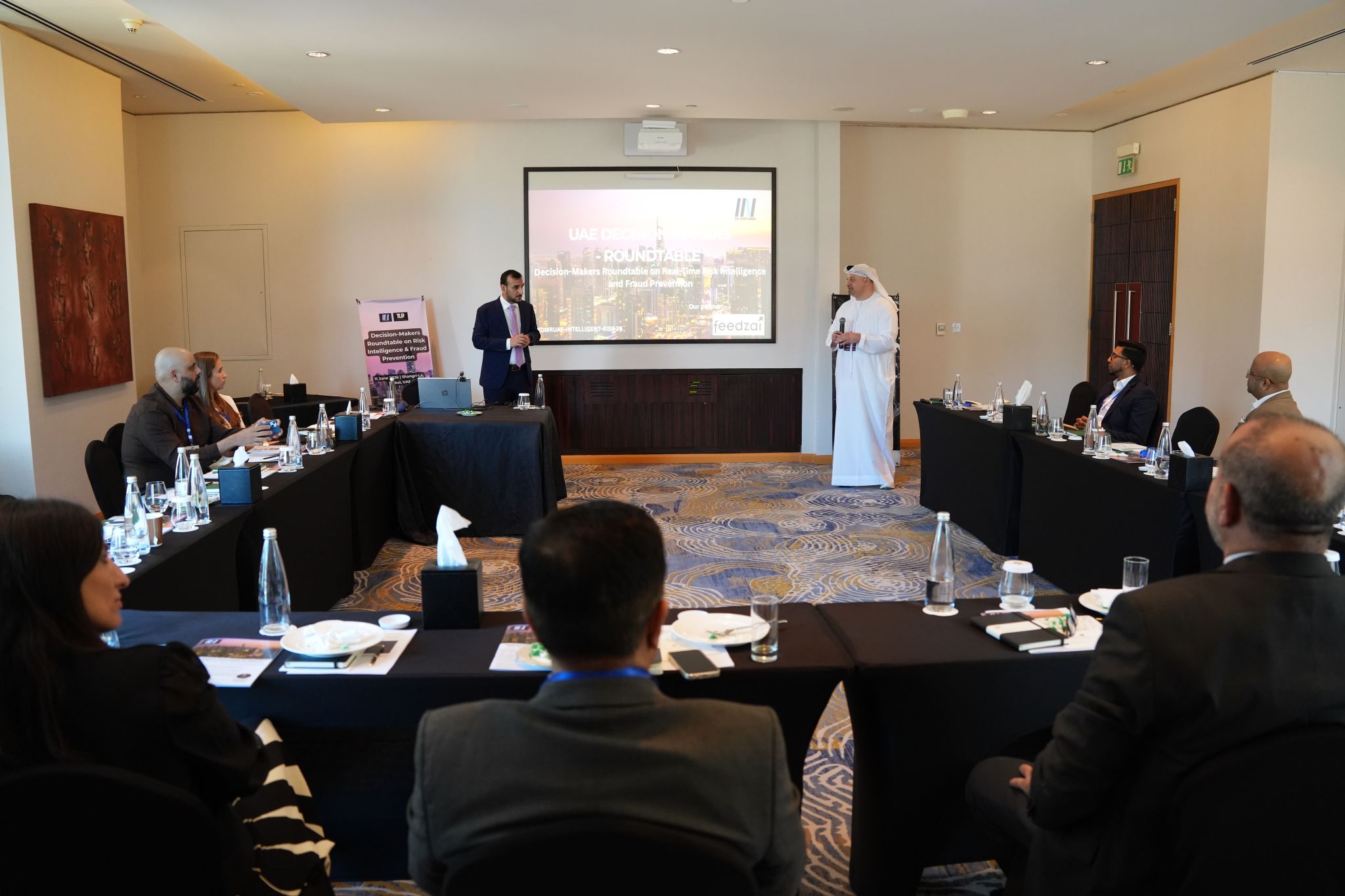
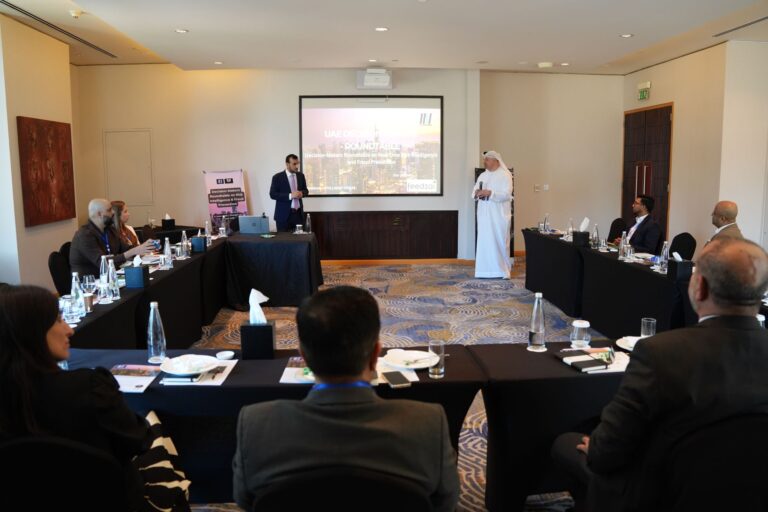
Senior banking, payments, technology and risk leaders met at Shangri-La Dubai on 11 June 2026 for the UAE Decision-Makers Roundtable on Real-Time Risk Intelligence and Fraud Prevention. The closed-door discussion came as faster digital payments, AI-enabled scams and rising customer expectations increase pressure on financial institutions to detect and respond to fraud without undermining trust.
A central theme was the growing convergence of fraud prevention and anti-money laundering. Participants noted that criminal activity crosses both areas, while many institutions still manage them through separate teams, systems and timelines. Moving towards unified risk operations was seen as important for improving visibility, reducing duplication and accelerating investigations.
The discussion also highlighted how artificial intelligence is changing the speed and scale of fraud rather than creating entirely new typologies. AI can strengthen detection and case investigation, but its effectiveness depends on relevant, high-quality local data. Models trained in other markets may not perform equally well against GCC customer behaviour and fraud patterns.
Legacy infrastructure emerged as a major constraint on real-time risk intelligence. Complex integration, fragmented data and unclear ownership can slow the adoption of new capabilities. Participants stressed that technology investment must be supported by stronger governance, cross-functional product design and clearly defined authority during major fraud incidents.
Data sharing was identified as one of the region’s largest unrealised opportunities. More structured collaboration between banks, payment providers, fintechs, telecom operators and public-sector stakeholders could help identify mule accounts and coordinated fraud networks earlier.
The roundtable also examined the continuing tension between security and customer experience. The broad conclusion was that controls should be targeted, proportionate and adapted to different customer segments rather than applied uniformly.
Organised by The Leaders Roundtables and 3A Ventures International, with Feedzai as exclusive partner, the session formed part of TLR’s wider programme of peer-led executive discussions on strategic challenges affecting financial services.
About the Author

Hi, this is a comment.
To get started with moderating, editing, and deleting comments, please visit the Comments screen in the dashboard.
Commenter avatars come from Gravatar.